An Artivist’s Guide to Visual Art for Activism and Social Change
Visual art is a great medium to use to bring awareness to social issues and injustices you’re passionate about.
In this guide, I’m covering the following:
Purpose and Benefits of Art for Activism and Social Change
Forms of Visual Art
How You Can Use Visual Art for Activism and Social Change
Without further ado, let’s dive in!
Purpose and Benefits of Art for Activism and Social Change
Visual art has always been a powerful vehicle for social change. Its purpose in activism is to:
Provoke Emotions
One of the key aspects of making art for activism and social change is to provoke emotion in the audience.
Provoking emotions is a cornerstone of art. Art has a way of changing our lives due to the emotions it provokes and the thoughts, ideas, and beliefs it sparks within us. It’s no different in art for activism and social change.
Art also has the capacity to wow us into making a change. It has a very different effect on us than having facts thrown in our face and beaten into our heads every other day.
We already know that climate change is a real thing and that it’s not looking very good for our future here on Earth. But there’s a difference in listening to lectures, news reports about new research in the field, watching different parts of the world experience extreme weather, etc., and watching, for example, Olafur Eliasson's melting ice installations, titled Ice Watch, or Ludovico Einaudi’s collaboration with Greenpeace where he plays Elegy for the Arctic, in the middle of the Arctic, as parts of the iceberg falls apart in the background. There’s definitely a place for the facts (they are vital!), but there is also a place for the art (which is just as vital), and they are both sparking different kinds of changes in the world.
In other words, art for activism and social change is very good at provoking emotions that (hopefully) catapult us into change.
Art for activism and social change can be used to provoke all the different emotions. Perhaps you want to spark empathy, anger, grief, or hope for a particular topic or movement. Each emotion also has its pros and cons, which is something to think about when you’re making your own art. But all of them have a space in artivism and can create an impact in one way or another.
Raise Awareness and Consciousness
One of the key aspects of making art for social change is to bring awareness and raise consciousness about a specific social issue, injustice, or movement. It’s about making the invisible and/or ignored issues visible.
Awareness is often considered the first step towards making a change. Making art with the intention of raising awareness about specific topics and movements is a powerful benefit.
Capture Marginalized Voices
Another key aspect is that it captures marginalized voices. It can be a group or community you are a part of yourself, and thereby could have inside information and lived experience about what that’s like.
But you might also be someone who has a family member or a close friend who is part of a marginalized group that you are not (i.e., an elderly family member, a disabled family member, queer friends, etc.). While you might not have the experience of certain social injustice that they do, you can still fight for their right in the world and join them in protests and demonstrations and the like.
An important thing to remember if you’re not a part of a specific community yourself or if you don’t have any lived experience relating to certain social issues or injustices within that community, remember that you are a guest in the conversation. It’s best to show up as a student and listen rather than take charge of the conversation. You are not an authority there.
That doesn’t mean that you can’t support those communities, of course. But it’s always best to ask what they need rather than thinking that you already know what they need.
Challenge Power
Another key aspect of making art for activism and social change is that the art is used to challenge power structures, systems, and the people in power positions.
It can also be used to challenge the narrative that the people in power are controlling. For example, there are powerful people in this world who use their platforms to control the narrative around things like the wars that are ongoing right now.
There is also an increasing attack on free speech and on journalists who are doing their actual job of examining people in power, their policies, and trying to get the truth of what is actually going on in the world.
With art for activism and social change, you can show what’s really going on rather than what these toxic powers in the world are trying to make everyone believe.
This includes making art as a response to oppressive systems of all kinds.
Unite Communities
Another great thing about art for activism and social change is that it can unite communities. It can provide a shared symbol or language that unites a cause, movement, or a community for collective action.
Just think about how #metoo became the phrase for an entire global movement. It became so widely known that basically everyone knows what #metoo is about, even if they weren’t active on social media at the time.
Imagine New Futures
Above all, all kinds of art are a way for us to imagine a better future and world.
Art that is specifically made for activism and social change, however, can show alternative realities and inspire hope and action.
Artists are great visionaries, and we need vision and imagination to be able to imagine what is possible, which makes this a powerful part of making art.
What is the type of world you want to live in? How do you wish the future to look? And how can you portray that in your art? How can you share that message?
Artists and creatives are creating culture, building worlds, making changes happen, and making the world a better place (if that’s something they want).
Create Social Change
The main thing about art made for social change, besides what I’ve already written, is to encourage more people to take action, whether they are people in power or not. The art is basically one way of catalyzing change.
That is the ultimate goal, really. It is to catalyze social change, even if it takes time and continued effort to make those changes happen, because change won’t happen overnight. It’s important to remember that social change is sometimes a frustratingly slow process. But if we want to have a better community, country, culture, world, or however near or far you’re aiming your reach, we all have to put in the effort to make those changes.
Forms of Visual Art
Visual arts include art forms that communicate meaning, portray emotions, etc., through visual means. It encompasses a vast range of media like painting, drawing, installations, photography, digital art, etc.
Visual art can be divided into fine arts, which often focus on aesthetics and are judged for their beauty and meaningfulness, and applied or decorative arts, which integrate artistic style with functionality (such as in ceramics, textiles, etc.).
Let’s dive deeper into the different types of visual art, with a few examples of each, that can be used for activism.
Fine Art
Paintings
Paintings have been used for centuries to record historic events, wars, injustices, etc. It’s not an art form that’s foreign to activism. On the contrary.
Let’s look at some examples.
Artemisia Gentileschi
Artemisia Gentileschi was an Italian painter during the Baroque era. After she was raped by fellow artist Agostino Tassi, she painted beheaded men or men being killed by women, which has been seen as her response to the rape.
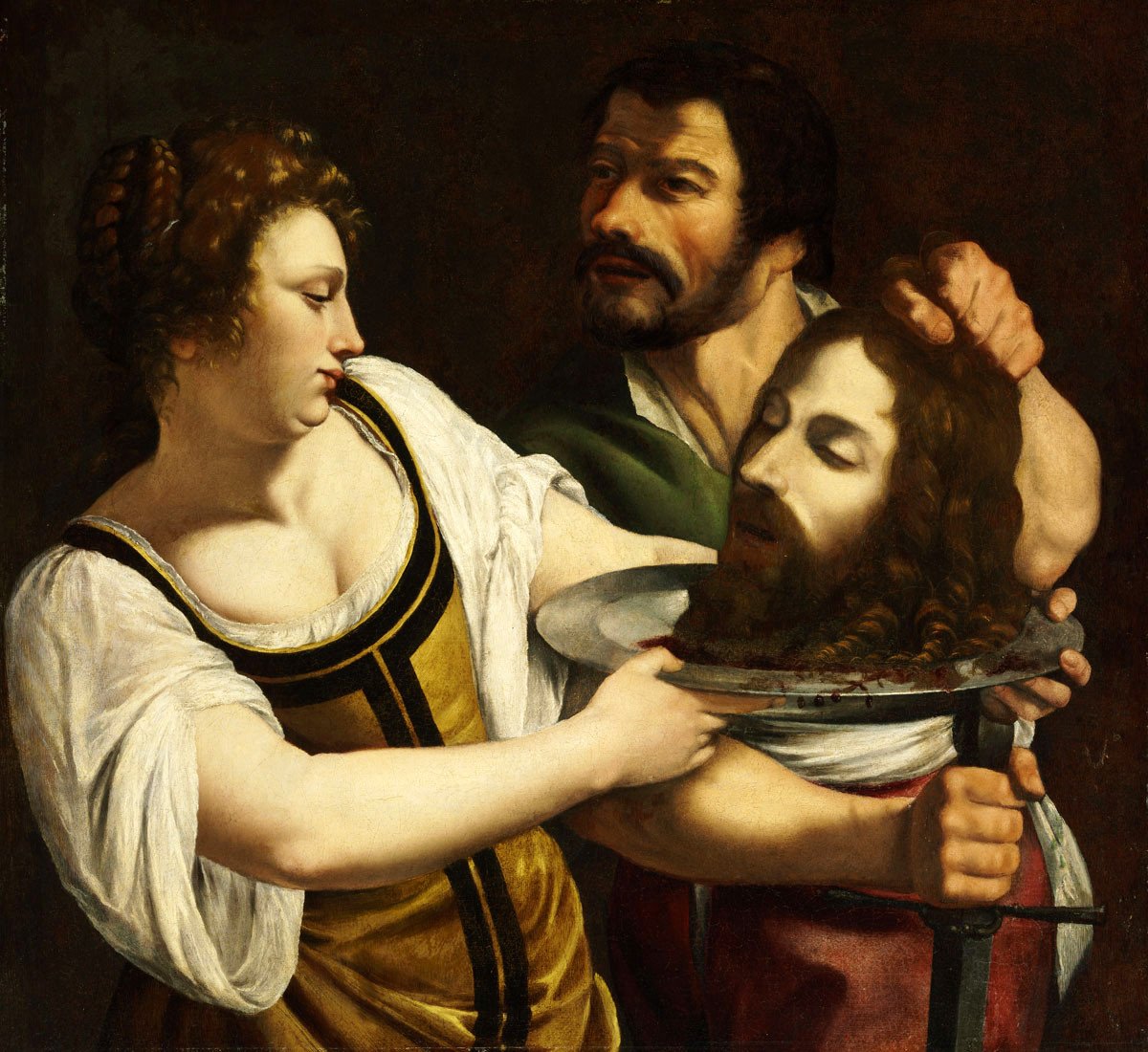
Salome with the Head of Saint John the Baptist, c. 1610–1615.
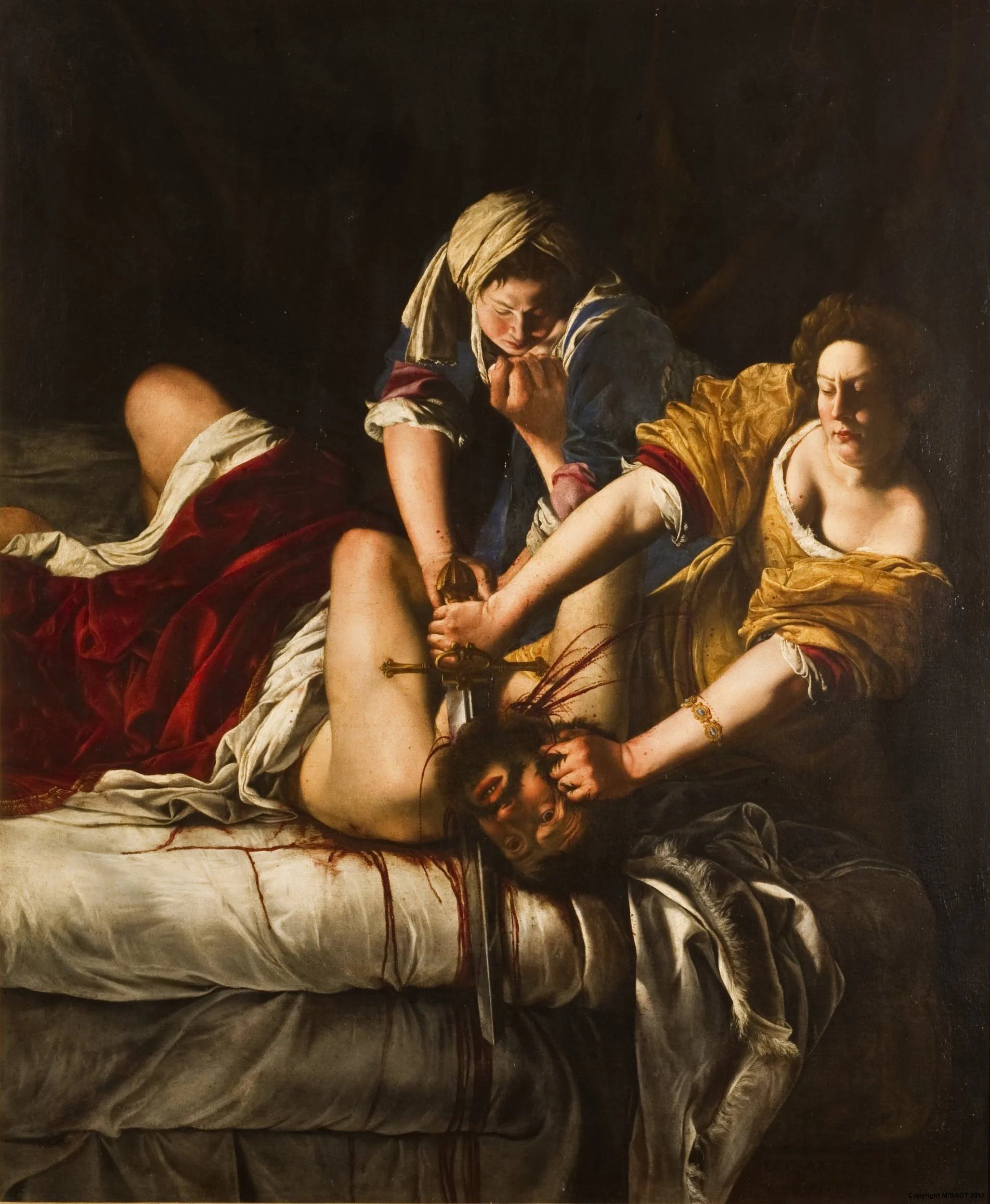
Judith Slaying Holofernes, 1614–1620.
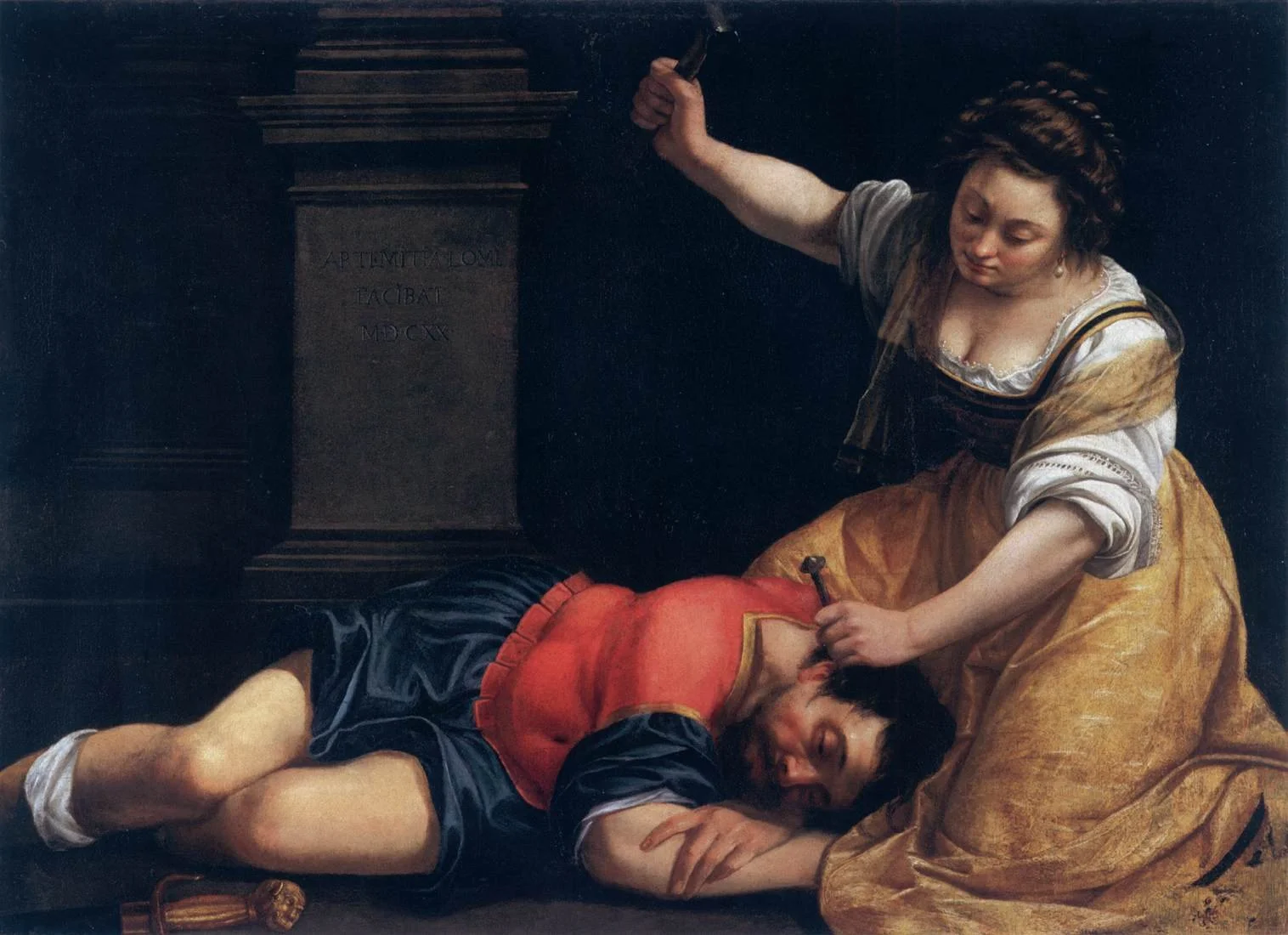
Jael and Sisera, c. 1620.
Liberty Leading the People
Liberty Leading the People by Eugène Delacroix, painted during the Romantic era, was painted to commemorate the July Revolution in 1830 that saw the Bourbon monarch Charles X deposed and replaced by his cousin Louis Philippe II, Duc d’Orléans.

Liberty Leading the People, 1830.
Around this time, Eugène Delacroix wrote to his brother saying, “if I haven’t fought for my country at least I’ll paint for her”, which I think emphasizes how artists can contribute to a different future and world.
Kent Monkman
Kent Monkman is a First Nations artist who reframes colonial history by using the European tradition of history painting to expose distortions of how Indigenous peoples have been depicted in art.
Some of Monkman’s works include The Scoop (2018) and mistikôsiwak (Wooden Boat People) (2019), which includes 2 paintings: Welcoming the Newcomers and Resurgence of the People.
Installations
Installations include all kinds of immersive experiences. In the case of art for activism and social change, installations are used to confront, educate, and wow the audience with certain topics, movements, social issues, etc.
Let’s look at some examples.
Ai Weiwei
Ai Weiwei is a Chinese multidisciplinary artist (architecture, film, music, etc.) and human rights activist.
One of his more famous works is Sunflower Seeds (2010), which consisted of 100 million handmade and painted porcelain sunflower seeds that were made in China. One interpretation is that the seeds refer to consumerism. Another is that the seeds represent the people of China and how they can stand up and overthrow the Chinese Communist Party.
Another famous work is Good Fences Make Good Neighbors (2017), which consisted of temporary structures resembling fences and cages that were situated in different locations in New York. They were created in a campaign against the USA’s increased border controls.
Ice Watch
Ice Watch (2014) is Icelandic–Danish artist Olafur Eliasson's melting ice installations, which featured big chunks of ice slowly melting until there’s nothing left. The first installation was in Copenhagen in 2014, the next in Paris in 2015, and one in London in 2018.
The installations were a comment on climate change and how our glaciers are slowly melting due to Earth’s rising temperature.
Photography
Photographers have used their camera skills for decades to document injustices of all kinds and bring awareness to them.
Let’s look at some examples.
Dorothea Lange
Dorothea Lange was an American photographer who documented, for example, the Great Depression. She transitioned from taking portraits of socialites to photographing people on the streets, showcasing the real, poor, and forgotten individuals and the consequences they faced due to the Great Depression.
One of her most famous photos is called Migrant Mother, from 1936, featuring a starving mother and her children.
Zanele Muholi
Zanele Muholi is a South African visual activist whose works focus on race, gender, and sexuality with a dedication to increasing the visibility of black lesbian, gay, transgender, and intersex people.
Their first solo exhibition was called Visual Sexuality: Only Half the Picture (2004), which featured photographs of survivors of rape and hate crimes. The people in the images remain anonymous, often only showing an above-the-knee and hip shot with hands over the genital region. This was Muholi’s way of giving the queer community a voice without revealing their identities.
Another series of photographs was called Brave Beauties (2014), which featured portraits of trans women and was shot in different locations in South Africa, to, among other things, show that LGBTQIA+ folks were a part of their country.
Public and Street Art
Graffiti and Murals
Graffiti and murals are large-scale public paintings, often subversive, that communicate directly to communities, challenge authority, and/or claim space.
Let’s look at some examples.
Banksy
One of the most, currently, famous examples of graffiti artists who use their art for activism is Banksy. Banksy is a pseudonym of an England-based multidisciplinary artist (street art and film) who has been active since the 1990s.
The messages of Banksy’s art are political and often include anti-war, anti-establishment, and anti-capitalist themes. Some of his works have shown up in conflict zones and war-ridden countries like Ukraine and Palestine. A few examples are the iconic mural of a protester throwing a bouquet in Bethlehem, kids on a swing hanging off a watchtower in Beit Hanoun (2015), two kids playing on Independence Square in Kyiv (2022), and a girl dancing on a bombed building in Irpin (2022).
Most recently, there was the mural on the Royal Courts of Justice in London, which featured a protester being beaten with a gavel by a judge. It became widely talked about, not only because of its message and because it was a Banksy piece, but also because of the shadow it left behind after the removal a couple of days later.
Great Wall of Los Angeles
The Great Wall of Los Angeles (1978) was a project executed with the help of over 400 artists and youths from many different backgrounds in the community. It was helmed by Judy Baca, an American artist and activist, as the director of the project, and depicted the history of California through the lens of women and minorities. Until 2018, it was the largest known communal mural project in the world.
Banners and Posters
Banners and posters, and other printed material, are a common medium used in protests and demonstrations. It can also be used in public spaces to bring awareness to social issues and injustices.
Let’s look at some examples.
Guerrilla Girls
Guerrilla Girls is an anonymous group of female artists who bring awareness to the sexism and racism within the art world. They’re known for staging surprise exhibitions and hanging up posters in public spaces to spread their message.
Their first posters were mainly black and white fact sheets, highlighting inequalities in regards to, for example, gallery representation and pay between male and female artists.
Their first poster in color, and still their most iconic one, is the Metropolitan Museum poster from 1989, which states: “Do women have to be naked to get into the Met. Museum?”. It was made in response to the overwhelming number of female nudes in the modern art sections of the museum and the very few works by female artists in comparison. They used one of the most famous female nudes in Western art (Grande Odalisque by Ingres) as the template for their poster, putting a gorilla mask over her head. The poster was later donated to the Metropolitan Museum in 2021 and was featured in the exhibition Prints: Revolution, Resistance, and Activism.
Gran Fury
Gran Fury was an AIDS activist artist collective from New York City. The group emerged from an international political group called ACT UP (AIDS Coalition to Unleash Power), working to end the AIDS pandemic.
One of their first projects was when ACTUP was invited to the New Museum in New York City to make something for the museum’s entrance. A neon SILENCE=DEATH symbol crowned the display, with a pink triangle, which became widely spread through printed ephemera and t-shirts.
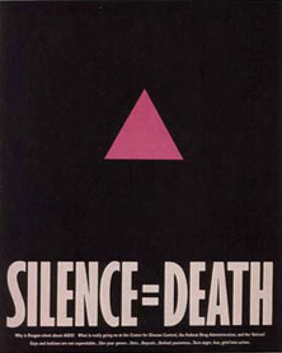
Another project that became pivotal for Gran Fury as a collective was when they participated in a public-art project called “Art Against AIDS/On the Road” (1989), where their contribution was a poster showing three couples of varying races, sexual orientation, and genders, kissing below the line: “Kissing Doesn't Kill: Greed and Indifference Do.” The poster quickly spread and was featured in subways and on buses in major cities in the USA.
Digital Media
Video Art
Film is also a medium that has been used to highlight social issues and injustices for decades. It’s been explored both through documentaries that depict social injustice more factually and in fictional films where the main theme or a character experiences the social injustice that the filmmakers want to highlight.
Here are some examples:
The Matrix
When it comes to fictional films, social issues and injustices can be shown in metaphorical or allegorical ways. An example of this could be The Matrix (1999) being seen as an allegory of the trans experience, which was widely discussed after the creators of the film, Lana and Lilly Wachowski, came out as trans women.
Biographical Documentaries
There are also a lot of biographical documentaries that highlight the lives of activists and the social issues and injustices they stood up for. Some examples are:
He Named Me Malala (2015), which is about Pakistani teenager Malala Yousafzai, who was shot by the Talibans for speaking up about girls’ rights to an education.
The Death and Life of Marsha P. Johnson (2017), which is about the transgender icon and legend Marsha P. Johnson and the re-examination of her death.
Jane Fonda in Five Acts (2018), which follows Oscar-winning Jane Fonda, who looks back at her life and career, including her activism.
Westwood: Punk, Icon, Activist (2018), which is about fashion icon and legend Dame Vivienne Westwood, who was part of igniting the punk movement in the UK, and redefining the fashion industry throughout her career.
Memes and Digital Graphics
Memes and digital graphics are quick, shareable, and can be made by anyone to spread their ideas and activism.
Memes usually consist of pictures, GIFs, or other media that have been deliberately altered to create different messages. They gained popularity in the 00s together with the rise of the Internet. At first, they were shared through e-mail and websites, but became more widely spread with the rise of social media.
Digital graphics such as infographics are used to share data, information, and knowledge in a simple and clear way. They often use elements such as charts, diagrams, images, and text to convey the information.
Let’s look at some examples.
#BlackLivesMatter
Throughout the existence of the BLM movement, they’ve posted infographics and artworks on their website, official social media accounts, and in the hashtag to promote their message and bring awareness to structural racism.
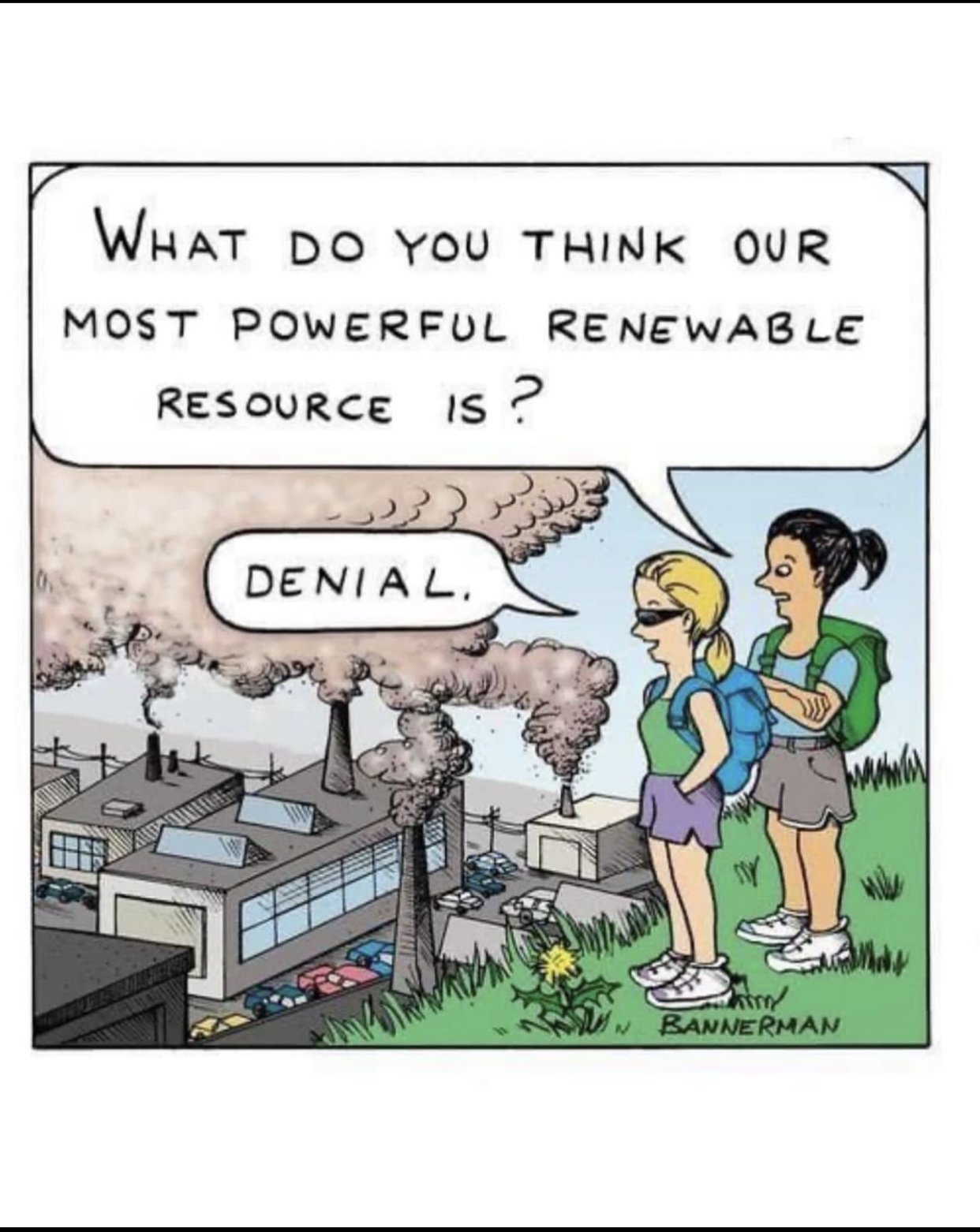
Climate Change
Memes focused on climate change are widely spread across the internet. Some are funny, some are ironic, some are tragic, but most are spot on.
Textile and Craftivism
Embroidery, Quilts, and Knitting
This type of textile and craftivism (crafting + activism) is often a communal form of artivism because it brings together groups of creatives to create whatever they’ve set out to do.
Let’s look at some examples.
Arpilleras of Chile
These were handmade, brightly colored patchworks (many including three-dimensional elements) made by women under Augusto Pinochet’s dictatorship in Chile (1973-1990). They were intended to be simple so that any woman without an artistic background or training could participate in making them during the workshops conducted.
Many of the patchworks featured scenes of oppression, economic injustice, and other political themes. Sometimes, arpilleras with common themes were sewn together to create murals.
The AIDS Memorial Quilt
The AIDS Memorial Quilt is a massive collective artwork commemorating those who were lost to AIDS and AIDS-related causes.
They officially started making the quilt in 1987, during a time when many of those who died from AIDS-related causes were refused funerals by many funeral homes and cemeteries due to social stigmas around AIDS. The quilt was often the only place where the lives of those who died could be remembered and celebrated.
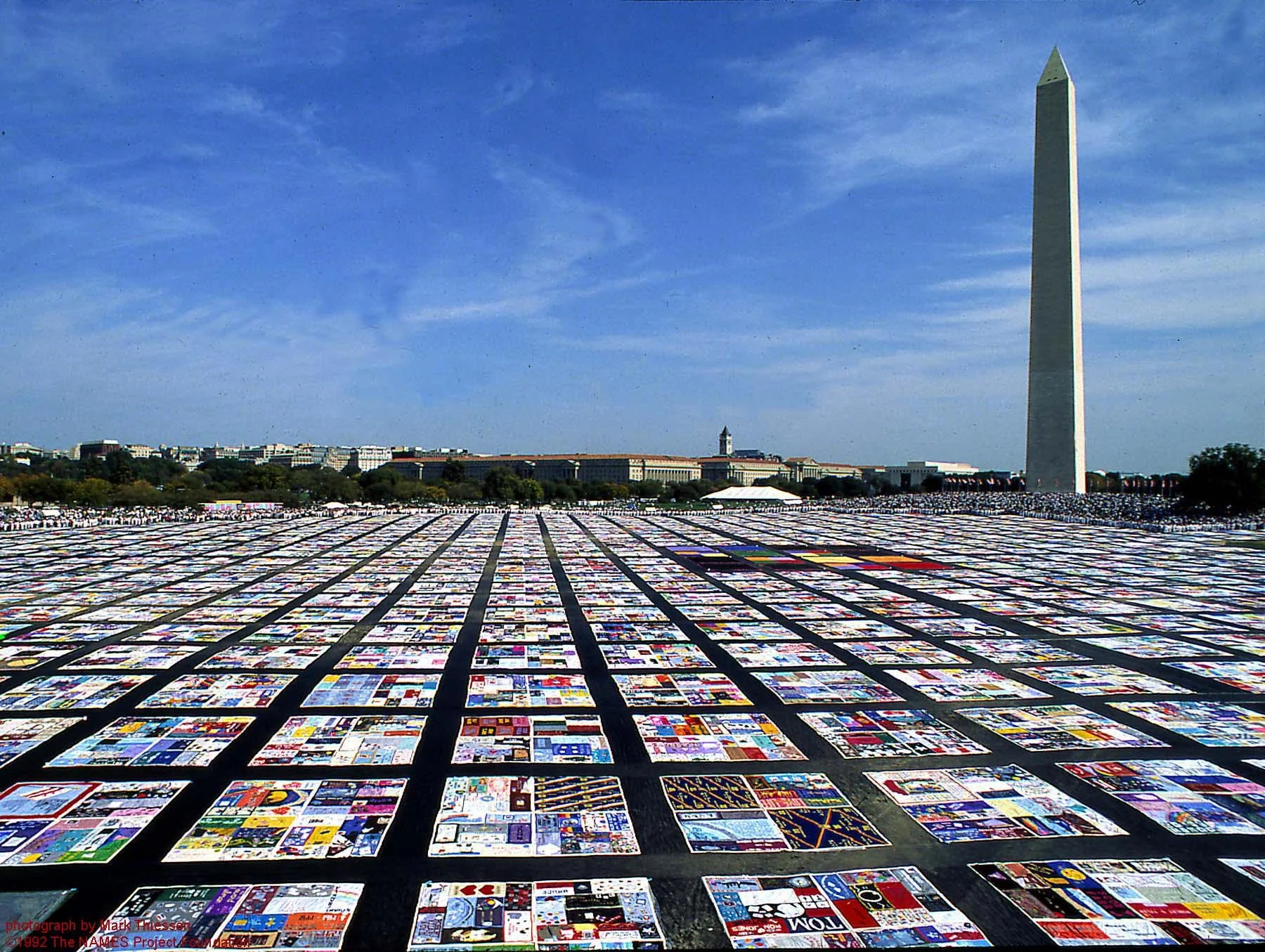
Each panel is created in recognition of a person who died from AIDS-related causes and measures approximately the size of the average grave. As of 2020, it’s the largest piece of community folk art in the world.
Fashion and Accessories
Fashion activism is the practice of using fashion as an outlet for spreading different messages with political, social, and environmental themes.
Let’s look at a few examples of how fashion and accessories have been used for activism and social rebellion:
The mini skirt, which came into the world in 1964, quickly became a garment associated with youth culture and defiance.
The slogan t-shirt, a staple in any activist’s wardrobe, was brought to the mainstream by Dame Vivienne Westwood during the punk era of the 1970s.
Designer Céline Semaan created, among other things, a 'Dignity Key' necklace with which people could show their support for displaced Middle Eastern refugees.
How You Can Use Visual Art for Activism and Social Change
If you want to engage in artivism and make visual art for activism and social change, there are a few things and guidelines you can think about.
Your Values
The first guideline is to create art that reflects your values. Your values will affect your work, how you put it “out there”, etc. So it’s a good idea to think about your values first.
Ask yourself:
What topics and movements are important to me? Which ones are not important to me?
What do I want my art to represent? What do I not want my art to represent?
What is the message I want my art to promote? What message do I not want my art to promote?
Which topics and movements can I talk about forever? (Considering you might have to talk about your art and its topics and themes for a very, very long time, make sure you pick a topic that you want to and can talk about for a very long time.)
What kind of media can I use to promote that message? What media do I not want to use? Are there any media that would be controversial to use, depending on the message I want to promote through my work?
Choose Your Medium
Not all mediums work with all types of artwork you might want to do, especially not if you’re working with a movement or organization of sorts that wants a specific kind of poster, video, infographic, or whatever it may be.
First and foremost, you wouldn’t accept doing work in a medium that you’re not well-versed in if you’re working with or for a movement or organization of sorts. Focus on choosing work in mediums that you are comfortable with.
Choosing your medium can also be affected by the social issues and injustices you work with or the message you want to stand for. If you’re a painter and want your art to portray climate change, it might not be a good idea to use environmentally unfriendly or toxic ingredients to make your paintings.
Execution and Impact
Create
Create art based on your values, your medium(s), and the topics and social issues and injustices you want to bring awareness to. If you’re collaborating with a movement or organization, you obviously have to keep their possible guidelines in mind as well.
Then, get lost in the creative flow and create as much as you can and as much as you want. Don’t worry too much about the outcome at first, just create. Evaluating is always good to do throughout the creative process, just not to the extent where you keep editing yourself when you’re in the creative flow.
When you do evaluate what you’ve made, you can ask yourself questions like:
What’s working? What’s not working? What can be changed to make it work better?
Is the topic or the message I want to portray clear enough?
Can the audience clearly see which social issues and injustices I want to bring awareness to in this work?
Is there anything upsetting or controversial in a mean-spirited or ignorant way? If so, do I want to keep that?
Does the work nail the brief? (This is especially important if you’re working with an organization or movement.)
Continue to create until you are satisfied with the work.
Participate
When you’re done making art for a specific topic or movement, it’s also important to participate in the movement and spread the word, especially if you’re working with a community or an organization of some kind.
Connect With Your Audience
One way to spread awareness around the topic or movement of your choice is to connect with the intended audience. By audience, I mean both people who are within the community or a movement that you’re a part of and promoting, but also the people who are in positions to make social change actually happen. Because unfortunately, we can’t do this on our own. We need the people in power to make sure that the changes are happening.
You can easily do this by documenting everything you do, from your creative process to information about the social issues and injustices you want to bring awareness to, and sharing that with your audience through the internet.
Collaborate
Another way to make an impact is to be open to collaborating with other people, movements, and organizations. Collaborating is a great way to amplify the causes and message. There’s a bigger chance that the message you want to communicate and put “out there” gets traction when collaborating.
Final Words
Making visual art for social change feels more important now than ever before. This guide was meant to help you, at the very least, get started and inspire you with the examples if this is the path that you see yourself on.
Join the MDC email list to get news, peeks behind the scenes, and other things I only share in email right into your inbox.
